I’ve performed thousands of botulinum toxin injections across faces, scalps, necks, and even palms. The pattern stays consistent: the best results come from careful patient selection, clear mapping of muscles, conservative dosing, and disciplined technique. The differences that matter happen in small details, like how long you ice a forehead before a needle touches skin or where you place the final unit along the tail of a brow. If you are considering cosmetic botox or using medical botox for migraines, sweating, or jaw clenching, understanding the step by step will help you feel prepared and make better decisions at your botox appointment.
What Botox Actually Does, in Practical Terms
Botulinum toxin temporarily interrupts the signal between nerve and muscle. Instead of paralyzing your entire forehead, professional botox injections target specific motor points to soften certain expressions while preserving others. That is the art. A millimeter off or a unit too many can shift a brow or stiffen a smile. The molecule itself does not travel far, but the muscles of facial expression are interconnected. Careful plans matter.
Cosmetic botox is different from fillers. Botox softens dynamic lines, the wrinkles formed by movement: forehead lines, frown lines (glabella), and crow’s feet. Fillers add volume. Many patients arrive thinking they need forehead botox when the real driver of the etched line is dehydration or a volume deficit in the temples or midface. That’s why a strong consultation comes first.
The First Visit: Consultation, Muscle Mapping, and Realistic Goals
A certified botox injector should watch your face move before considering a needle. I ask people to frown, raise brows, squint, smile wide, purse lips, and pull the chin tight. I look for asymmetries: a left brow higher than the right, one side squinting stronger than the other, a slightly heavier eyelid. These details guide where botox units should land.
We also talk about the goal: a glassy, barely moving forehead, or natural looking botox that preserves expression. A software engineer who spends ten hours a day concentrating may prefer gentle forehead botox to keep communication clear on video calls. A stage performer might accept a bit more movement around the eyes to avoid flattening their expressions under lights. Preventive botox, sometimes called baby botox, uses smaller doses to train muscles to stay relaxed rather than freezing them.
Treatment plans vary. Typical cosmetic doses for a first-timer might range from 10 to 20 units in the glabella (frown lines), 6 to 15 units in the forehead, and 6 to 12 per side at the crow’s feet. Forehead units often sit lower for narrow foreheads and higher for tall ones. Men often need more botox units due to stronger muscles. Those are ballparks, not final answers. The right botox dosage depends on anatomy, age, skin thickness, and the effect you want, as well as the brand used. Dysport vs Botox or Xeomin vs Botox comparisons matter because conversion ratios differ slightly and spread characteristics can feel different in practice.
If you come for medical botox, say for migraines or hyperhidrosis, the conversation is a little different. For chronic migraine, we follow a standardized map covering the forehead, scalp, and neck. For excessive sweating, I test the area with starch-iodine to highlight active sweat glands, then create a grid. For masseter botox to soften jaw clenching or TMJ discomfort, we locate the borders of the muscle carefully so that chewing function stays reliable and the face remains balanced.
We also talk about botox safety, botox risks, and realistic botox results. Common side effects include small injection bruises and temporary headaches. Rare risks include eyelid ptosis or brow heaviness if toxin diffuses into unwanted muscle groups. I ask about allergies, neuromuscular disorders, pregnancy or nursing, recent dental or facial surgery, and medication that increases bleeding or bruising. It’s not a long list, but every question has a purpose.
Pre-Appointment Precautions That Really Help
You can do a few things in the week before your botox treatment to reduce bruising and improve comfort. If your medical provider says it’s safe, pause higher-dose omega-3s, vitamin E, ginkgo, and non-steroidal anti-inflammatories for 5 to 7 days. Switch to acetaminophen if you need pain relief. Avoid alcohol the night before and on the day of the botox procedure. Walk in well hydrated, ideally after a small snack to prevent lightheadedness. Bring a photo of your results goal, and if it’s not your first time, bring botox before and after photos from your prior sessions so we can calibrate.
I provide a cost estimate during consultation. Botox cost depends on number of units and clinic region. In my city, botox price per unit commonly ranges from modest to premium across practices. Affordable botox and botox deals exist, but be wary of prices that are dramatically below market. What looks like a bargain can reflect lower skill, inconsistent product handling, or aggressive dosing strategies that wear off quickly. Trusted botox providers are transparent about brands, lot numbers, dilutions, and units used, and they build a botox treatment plan you can follow long term.
Numbing Choices: Ice, Topical Cream, Vibration, or Nothing At All
Most adult patients handle facial botox without numbing. The needles are tiny and the injection is quick, often described as a brief pinch. Still, comfort matters. I use chilled compresses or ice packs for 30 to 60 seconds per area because cold both numbs and constricts vessels, which reduces bruising. For the crow’s feet and the upper lip, where the skin is thinner, topical anesthetic can help, especially for a lip flip botox. When I treat scalp or palms for sweating, I add distraction with a vibration device near the injection site, which reduces perceived pain via the gate control theory. Local anesthetic injections are rarely needed for facial botox but are common for hyperhidrosis in the palms and soles.
If you have a big event coming up, mention it. I adjust the plan to minimize bruising risk and might suggest staging treatments so any small marks fade in time.
" width="560" height="315" style="border: none;" allowfullscreen="" >
Step by Step: From Cleansing to the Final Injection
We begin with careful cleansing. I remove makeup and sunscreen, then sanitize with alcohol or chlorhexidine. For the forehead and glabella, I sometimes mark landmarks with a white eyeliner pencil. While many providers eyeball muscle locations, marking points helps maintain symmetry and avoid creeping lower into the frontalis where it can weigh down a brow.
You raise your brows, frown, and squint so I can feel the muscle activation and confirm the map. I place a small ice pack over the first site while drawing up the product. I recheck the plan, sometimes asking you to make expressions again. Then we start.
First come the glabella points for frown line botox, usually five to seven small injections: the corrugators, procerus, and sometimes a little lateral spread for strong frowners. The sensation is a quick sting that fades as fast as it arrives. For those who scowl even when they don’t mean to, this area creates the most satisfaction. Next I move to the frontalis for forehead botox. Here I dose conservatively, especially in first-time botox. A forehead that does not move at all can look unnatural and can drop the brows. I often use a pattern that avoids the lateral third in some patients until I see how they respond, then add a botox touch up in two weeks if needed.
Crow’s feet are next. I place injections just lateral to the orbital bone, not too close to the eye, adjusting the vertical height so that the smile stays warm while the crinkling softens. Some people prefer a little movement at the outer corners for a natural look. A subtle approach can keep joy visible without deep etching.
If requested, we may add tiny units for bunny lines at the nose, a lip flip botox at the vermillion border, or a microdose for chin dimpling. For masseter botox, I palpate the muscle as you clench, mark the thickest portion, and keep placement within safe borders to avoid diffusion into the smile elevators. For neck bands, I map platysma strips, confirm at rest and with grimace, then deliver low-dose points along each band to soften them without affecting swallowing.
The injections themselves take minutes. Most full-face cosmetic sessions run 10 to 20 minutes once the plan is set.
What You See Right After the Appointment
Expect tiny raised bumps at each site, like mosquito bites. They settle within 20 to 60 minutes as the saline disperses. The area may look slightly pink. Ice can help. Mild pressure with gauze can stop pinpoint bleeding. Makeup can be reapplied gently after a few hours, though I prefer if you skip it until the next day.
Results do not appear instantly. For most brands of botulinum toxin injections, early softening shows in 3 to 5 days, and full effect arrives around day 10 to 14. Crow’s feet often take the longest to fully relax. If you still see strong movement at two weeks, a small top up can finish the job. Scheduled follow-ups at two weeks are common for first-time patients to calibrate dosing.
Immediate Aftercare: The Little Rules That Prevent Problems
Here is a short, practical checklist that we give every patient to reduce risks and protect results:
- Stay upright for 4 hours after botox, avoid bending or lying flat. Skip heavy exercise, hot yoga, saunas, and facial massages for 24 hours. Keep hands off the injection sites, do not rub or press hard. Avoid alcohol the evening of your botox treatment to reduce bruising. If you see a bruise forming, ice in short intervals and consider topical arnica or a green-tinted concealer the next day.
Any headache or tight feeling in the first 24 to 48 hours usually resolves on its own. If you feel a heavy brow or see one eyelid drooping, call your botox provider. Early in the course, gentle adjustments can sometimes improve balance. Fortunately, true ptosis is uncommon and temporary.
How Many Units, How Much It Costs, and How Long It Lasts
Unit counts vary by face, gender, and muscle strength. A petite woman with a narrow forehead may need 8 to 10 units in the frontalis, while a man with a broad forehead and thick muscle might need 14 to 20. The glabella commonly ranges from 10 to 25 units total depending on severity. Crow’s feet may need 6 to 12 per side. Baby botox, especially for beginners or preventive botox users, relies on microdoses like 4 to 6 per zone to keep movement rather than erase it. For masseter botox, some start with 15 to 25 per side and adjust carefully to achieve jawline slimming without chewing fatigue.
Price is tied to units. Some clinics use a per-area approach while others charge per unit. If you see a flat “forehead special” but have a high hairline and need more spread to avoid shelfing, your result might be underpowered. A transparent per-unit price lets you scale appropriately. I recommend tracking your dosage and dates. Over time, you will learn your sweet spot and your personal botox longevity.
Most patients see peak effect at two weeks. Results then taper slowly. Many maintain a smooth look for about 3 to 4 months. Some hold to 5 or 6 months, especially after repeat botox treatments once muscles have adapted. Heavy lifters, intense exercisers, and those with a fast metabolism may experience shorter spans. For therapeutic indications like migraines, dosing and intervals are more standardized, often every 12 weeks.
Natural Looking Results Come From Restraint and Good Anatomy
A strong rule: treat the most expressive muscles first, then reassess. For forehead lines, I often treat the glabella along with the frontalis, even if the patient only asked for forehead botox. Weakening the lifting muscle without calming the depressors can drop brows. Doing both in balanced doses gives the brow freedom to sit well.
Another example is the smile. At the crow’s feet, injecting too low or too posterior risks weakening part of the smile complex. Experienced injectors angle and place precisely to soften crinkles without flattening joy. For lips, a lip flip botox can soften vertical lip lines and evert the upper lip slightly. Done poorly, it can make sipping from a straw feel odd for a week. Done well, it gently brightens the upper lip shape while keeping function.
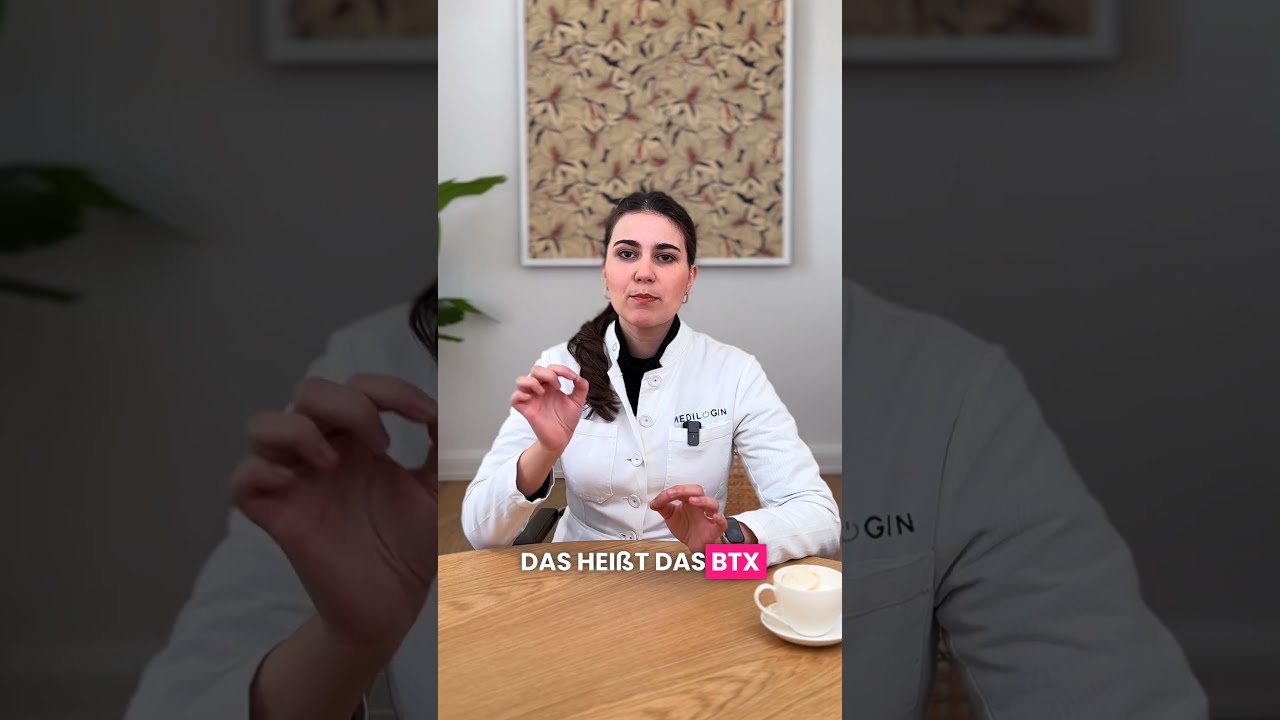
Sometimes I decline a request. If someone has naturally low-set brows, a heavy forehead with skin laxity, or is mid-prep for an important speech, I might recommend a smaller, staged approach or a different solution, including skincare or energy-based tightening. Long-term botox works best when you’re patient with dosage and consistent with maintenance.
Side Effects, Risks, and When to Call
Most side effects are minor: redness, swelling, tiny bruises, tenderness, or a short-lived headache. Rarely, a line of small bruises forms where a superficial vessel ran under the skin. Ice and time resolve them. A small number of people notice a transient brow heaviness or one eyebrow lifting higher than the other. An experienced injector can correct asymmetry with a few touch-up units placed strategically.
More significant risks like eyelid ptosis occur rarely, usually from very low injections or heavy doses near the levator palpebrae area. If it happens, the effect is temporary as the toxin wears off. Prescription eyedrops can help lift the lid while you wait. Systemic reactions are extremely uncommon at cosmetic doses.
Call your provider if you experience significant eyelid drooping, trouble swallowing, voice changes, or unusual weakness outside the treated area. For most cosmetic cases, those concerns are unlikely, but your clinic should give you straightforward post botox care instructions and a direct line.
Special Cases: Men, Athletes, First-Timers, and Midlife Skin
Men usually need more units than women for the same effect. Their frontalis and corrugators are thicker and longer. I also see more outdoor sun exposure in men, which can etch static lines that botox alone will not erase. Combining botox for wrinkles with good skincare improves outcomes. Sunscreen matters more than people think.
Athletes and heavy sweaters metabolize quickly. Hyperhidrosis botox can be life-changing here. For underarms, results can last 4 to 6 months or longer. For palms, it’s powerful but more uncomfortable. I break the session into small segments with ice and vibration, and I warn about temporary grip weakness.
First-time botox patients worry most about looking frozen. The key is honest communication about what you want to keep. If you use your forehead to express emphasis at work, let your provider know. We can preserve a touch of lateral movement so your face still reads like you, just better rested.
In midlife, static lines deepen. Botox relaxes movement but does not fill creases. A meaningful plan may include skincare, lasers, or a touch of filler for etched-in glabellar lines or a sleep line. The best botox is part of a broader strategy, not an isolated act.
Brands and Subtle Differences: Botox, Dysport, and Xeomin
Botox is the brand most people recognize, but Dysport and Xeomin are also trusted. Some notice faster onset with Dysport. Xeomin contains no accessory proteins, which some clinicians prefer for long-term use. Conversion ratios vary by area and provider. In practice, all three can deliver safe botox treatment outcomes when handled properly. What matters more is your injector’s understanding of spread, depth, and patient goals.
If you are comparing botox vs fillers for a certain result, remember that they do different jobs. Wrinkle botox targets the movement that creases skin. Filler restores volume. For smokers’ lines around the lips, micro-botox can help, but a small, thoughtfully placed filler often completes the result. For forehead lines that persist at rest even when the muscle is relaxed, skincare and resurfacing help. Good providers explain trade-offs clearly.
Building a Routine: Maintenance Without Overdoing It
Repeat botox treatments typically happen every 3 to 4 months for cosmetic zones. Some stretch to two or three sessions a year. Over time, as muscles weaken, you might need fewer units for the same effect. I keep a log of each visit’s dose and the day results started to soften. That history lets me anticipate when to schedule the next session so your look stays consistent.
A common pattern is to alternate major and minor visits. For example, a full-face refresh in spring, a smaller touch in summer, then a full session again in fall. The goal is subtle botox so friends register that you look awake and rested, not “done.”
How to Choose a Provider You Trust
Credentials matter, of course, but technique and listening skills matter more. I’ll book extra time for first-time botox patients. I want to hear what bothers you about your face in natural light and what you like about it. Photos from different angles help. Ask how many of your provider’s patients return for routine botox injections and how they manage complications. A top rated botox clinic talks openly about risks and posts their own botox reviews and botox testimonials if available. Look for a botox specialist who teaches you rather than selling you. If you see “best botox near me” ads with rock-bottom pricing, ask about units, dilution, and follow-up policy.
A Real-World Example: The First-Timer With “11s” and a Big Presentation
A client in her mid 30s came in bothered by deep frown lines she called her “11s.” She had a presentation in two weeks and didn’t want a frozen forehead. We mapped a conservative plan: 12 units in the glabella and 6 in the frontalis, keeping injections high to protect brow lift. We iced thoroughly and used a vibration tool for comfort. Day 4 she emailed: movement softened, lines less angry. Day 14 we added a 2-unit touch up at the corrugator tail on the stronger left side to balance. She kept a natural lift when surprised, and on her big day looked alert and confident without shine or stiffness. The result lasted just under four months. On visit two, we reduced the frontalis to 5 units and the glabella to 10 because she holds botox well. This is how thoughtful dosing evolves.
When Botox Isn’t the Right Answer
If a brow sits very low from eyelid heaviness, decreasing frontalis activity can make vision feel more hooded, not less. In that case, we discuss eyelid skin tightening or a surgical consult. If lines are primarily static, lying deep even when the muscle is at rest, botox will help prevent them from worsening, but resurfacing or a light filler may be needed for immediate change. If someone is pregnant or nursing, I recommend deferring treatment. If there is a history of certain neuromuscular conditions, we proceed only with clearance from a specialist or we skip the procedure.
What To Expect Over Years of Use
Long-term botox does not hollow the face. It does not thin the skin. If used thoughtfully, it can prevent deepening of lines and keep makeup from settling into creases. People report fewer tension headaches, especially if frown lines were strong triggers. Some notice a subtle training effect, forming new habits that rely less on overactive muscles. If you take long breaks, your baseline movement returns. There is no evidence that you must increase doses forever. In my practice, many patients use less over time.
A Quick Decision Guide for Common Goals
- Want fewer forehead lines but expressive brows: combine low-dose forehead botox with balanced frown treatment and avoid heavy lateral forehead units. Notice deep “11s” even at rest: prioritize glabella, possibly combine with skincare or a tiny filler if etched lines remain. Crow’s feet soften without dulling a smile: place injections slightly superior and posterior to the orbital rim and accept a little movement for warmth. Jawline softening for clenching: map masseter borders, start conservative, reassess chewing comfort at 2 and 8 weeks. Sweating control for events or everyday comfort: grid the area, plan enough units to cover complete zones, and expect several months of relief.
The Bottom Line on a Smooth, Safe Experience
More helpThe botox procedure is straightforward when it follows a clear sequence: careful consultation, smart numbing, precise mapping, and gentle injections delivered by a certified botox injector who respects both anatomy and your personal style. You should leave with realistic timing for results, a plan for botox maintenance, and simple post botox care. The best outcomes look like you on a good day, even on a bad night’s sleep.
If you are choosing a botox clinic, prioritize experience and transparency over “specials.” If you are scheduling your first time botox, give yourself two weeks before an important event. And if you want subtle botox that makes coworkers ask if you changed your skincare, aim for restraint at the first session, then build toward your ideal with measured touch-ups. The technique is small, the impact is outsized, and with the right provider it becomes a reliable part of looking how you want to look.